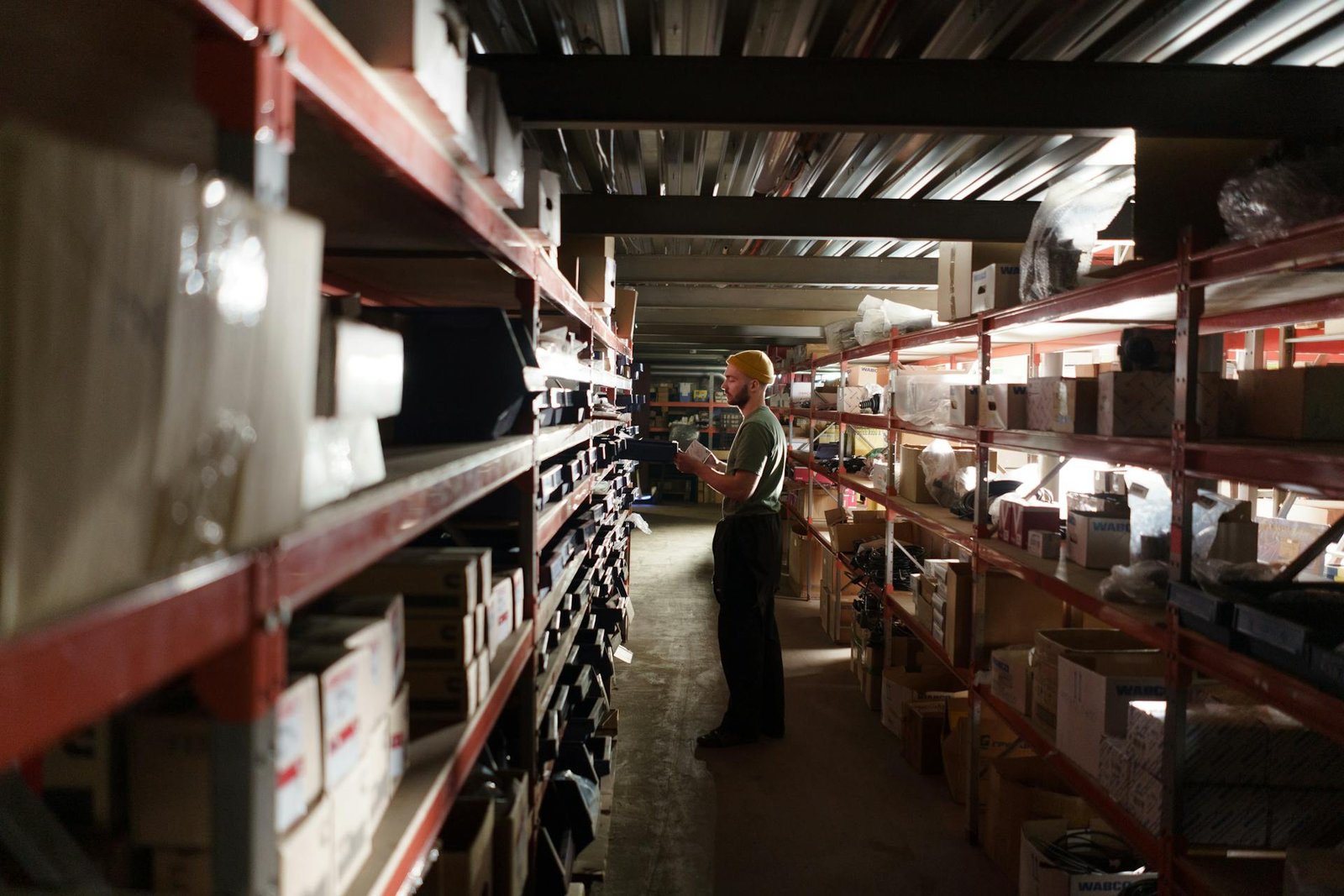
Germany’s healthcare system is renowned worldwide for its efficiency, innovation, and patient-centered care, but it’s facing an unprecedented challenge: a severe shortage of nurses. As of 2025, the country needs to recruit up to 150,000 foreign nurses to fill over 200,000 vacant positions in hospitals, clinics, elderly care facilities, and home health services.
With an aging population and increasing demand for specialized care, this creates a golden opportunity for international nurses from countries like India, the Philippines, Nigeria, Brazil, and beyond. No longer just a dream, working as a nurse in Germany offers competitive salaries, comprehensive benefits, and a clear path to permanent residency, all while making a meaningful impact on patients’ lives.
For non-EU foreigners, the journey involves navigating qualification recognition, visa processes, and language requirements, but the rewards are substantial. Average salaries start at €3,000–€4,000 gross monthly, with net take-home pay of €1,800–€2,500 after taxes, plus perks like 30 days of paid vacation, full health coverage, and pension contributions. In this comprehensive 2025 guide, we’ll break down everything you need to know: from eligibility and recognition to visa options, salary breakdowns, job search tips, and real success stories. Whether you’re a registered nurse (RN) or a nursing assistant, Germany’s doors are wide open—let’s explore how to step through them.
[irp]
Why Nursing in Germany? The Demand and Benefits in 2025
Germany’s healthcare sector employs over 1.8 million nurses, yet the Federal Employment Agency projects a shortfall of 500,000 by 2030, exacerbated by post-pandemic burnout and retirements. This has led to proactive policies under the Skilled Immigration Act, including streamlined recognition for foreign qualifications and visa sponsorship from employers like Charité Berlin, Asklepios Clinics, and Helios Group. For foreigners, this means job security, professional growth, and work-life balance in a country ranking high in global quality-of-life indices.
Key benefits include:
• Universal Healthcare: Employer-subsidized insurance covers 90% of costs, with family inclusion.
• Work Hours: 37.5–40 hours/week, with shift premiums (up to 50% for nights/weekends).
• Family Support: Spouses can join via reunification visas after six months, with access to free language courses and childcare.
• Career Progression: From RN to specialist (e.g., oncology or geriatrics) with employer-funded training, boosting salaries by 20–30%.
In 2025, urban hubs like Berlin, Munich, and Hamburg offer the most openings, but rural areas provide higher incentives, including relocation bonuses up to €5,000. English is often sufficient in international clinics, but German proficiency unlocks better roles.
Qualification Recognition: The Gateway to Practice
Nursing is a regulated profession in Germany, meaning foreign qualifications must be recognized (Anerkennung) before you can work independently as a Pflegefachperson (general nurse). EU/EEA nurses get automatic equivalence, but non-EU applicants undergo a detailed assessment by state authorities (e.g., LfP in Bavaria or local health offices). The process ensures your training aligns with Germany’s three-year generalist curriculum.
[irp]
Step-by-Step Recognition Process (2025)
1. Eligibility Check: Hold a nursing diploma/degree (minimum three years’ training) from your home country, plus 1–2 years’ experience preferred. Use the Anabin database to verify if your qualification is comparable.
2. Application Submission: Apply online via Anerkennung-in-Deutschland.de or your state’s portal (€200–€600 fee). Submit translated documents: diplomas, transcripts, work certificates, and CV. Processing: 3–4 months.
3. Equivalence Assessment: If fully equivalent, you get a license (Approbation). Partial equivalence requires:
• Adaptation Course (Anpassungslehrgang): 6–12 months of supervised practice/theory (€0–€1,000, often employer-sponsored).
• Knowledge Exam (Kenntnisprüfung): A 90-minute oral/practical test on nursing scenarios.
4. Recognition Partnership: Many hospitals (e.g., via CWC Recruitment) sponsor you to start as a nursing assistant while completing recognition, earning €2,200–€2,800/month.
Language is key: B1/B2 German (medical focus) via Goethe-Institut or TELC certificates. Over 80% of non-EU applicants succeed, especially from India and the Philippines. Pro tip: Start remotely, many agencies assist with translations and mock exams.
Visa Options: From Entry to Settlement
Non-EU nurses can’t work without a visa, but Germany’s 2025 updates prioritize healthcare workers with fast-tracks and sponsorships. No EU Blue Card for nurses (due to vocational focus), but alternatives abound.
Main Visa Pathways
• Skilled Worker Visa (Section 18a AufenthG): For fully recognized nurses with a job offer. Valid 4 years, renewable.
Requirements: Recognition certificate, B1 German, €1,091/month financial proof (blocked account or contract). Processing: 2–3 months at your embassy; €75 fee.
• Visa for Qualification Recognition (Section 16d): Enter for adaptation courses. Allows part-time work (20 hours/week). Ideal if partial equivalence.
• Nursing Assistant Visa (Section 19c): Start as an aide while pursuing full recognition. Needs employer approval from the Federal Employment Agency. Minimum salary €53,130/year for over-45s.
• Opportunity Card (Chancenkarte): Points-based (6+ needed) for job seekers. Nurses score high on shortage occupation (+1 point). Stay 1 year, work part-time.
Apply via the German embassy with: passport, job offer, recognition docs, health insurance, and police clearance. Employers often cover flights and initial housing. Post-arrival: Register at the local Ausländerbehörde within two weeks.
Path to permanence: After 2–4 years of skilled work (faster with B1 German), apply for settlement permit; citizenship after 5–8 years.
[irp]
Salary Expectations: What You’ll Earn in 2025
German nurses enjoy tariff-based pay (TVöD scale for public sector), with private clinics offering 10–20% more. International nurses start at the same rates post-recognition. Gross annual averages €41,000–€52,000, but net pay (after 35–40% deductions for taxes/insurance) is €25,000–€32,000.
Salary Breakdown by Experience and Role
• Entry-Level RN (0–2 years): €3,000–€3,500 gross/month (€36,000–€42,000/year). Net: €1,900–€2,200.
• Mid-Level (3–5 years): €3,500–€4,200 gross/month (€42,000–€50,400/year). Specialties like geriatrics add €500/month.
• Senior/Specialist (5+ years): €4,200–€5,500+ gross/month (€50,400–€66,000/year). ICU/oncology roles hit €60,000+.
Regional variances: Bavaria/Munich (+15%, €48,000 average) vs. East Germany (€35,000). Extras: 13th-month pay, €200–€500 shift bonuses, and €100–€300 relocation aid. Hourly rates: €18–€25 for full-time.
Compared to home countries, this is life-changing Filipino nurses often triple their income, while Indian RNs see 5–7x gains. Living costs (€1,200–€1,800/month in cities) leave ample savings.
[irp]
Finding and Landing Your Nursing Job
With 387+ openings on Glassdoor alone, start on portals like Make-it-in-Germany.com, StepStone.de, and LinkedIn (filter “visa sponsorship”). Agencies like Dynamic Health Staff or Global Nurse Force handle recruitment, recognition, and visas for free.
Application Tips:
• Tailor your Europass CV: Highlight experience, languages, and soft skills.
• Prepare for interviews: Video calls in German/English; focus on patient scenarios.
• Network: Join “Nurses in Germany” Facebook groups or attend virtual fairs via EURES.eu.
70% of sponsored applicants secure roles within 6 months.
Real Stories: Nurses Who Made It
Maria, 32, from the Philippines: With a BSN and B1 German, she got recognition via an adaptation course at a Berlin clinic. Now earning €4,200/month in geriatrics, she sponsored her family’s move. “The support was incredible free housing and courses made it seamless.”
Raj, 28, from India: Via Opportunity Card, he started as an assistant in Munich (€2,800/month), passed his exam in 8 months, and now pulls €48,000/year in oncology. “Germany values nurses my salary funds my siblings’ education back home.”
These stories highlight the program’s success: Over 10,000 non-EU nurses integrated in 2024 alone.
Challenges and Long-Term Prospects
Bureaucracy and initial language hurdles are common, but free integration courses (via BAMF) help. Weather and cultural adjustment fade with community support expat groups thrive in every city. Long-term: 75% advance to leadership within 5 years, with salaries rising 15% annually. Permanent residency leads to EU mobility and citizenship perks.
Read more on: Visa-Free Countries for Canada Passport Holders: The Ultimate 2025 Guide
Conclusion: Your Calling Awaits in Germany
Nursing jobs in Germany for foreigners aren’t just employment they’re a pathway to stability, respect, and fulfillment in Europe’s healthcare powerhouse. With salaries averaging €4,350 gross monthly, efficient recognition processes, and welcoming visas, 2025 is the ideal time to apply.
[irp]
Start today: Assess your points on Make-it-in-Germany.com, book a language test, and connect with recruiters. Your stethoscope could soon echo through Berlin’s halls Heilung (healing) starts with you.