
Germany is actively seeking skilled international talent to bolster its workforce, creating a prime opportunity for Nigerians to secure visa sponsorship jobs. For professionals in software engineering, network security, and cloud hosting, the demand has never been higher. Similarly, the medical sector is recruiting heavily, with specialized roles in nursing, cord blood banking, and medical research offering lucrative pathways to permanent residency. Securing these positions often comes with comprehensive relocation packages that may include health insurance, life insurance, and even mortgage assistance for long-term settlers. For those with an online business degree or project management certification, German companies are willing to invest significantly in employee recovery and integration programs.
[irp]
However, navigating the immigration landscape requires precision, especially when dealing with legal requirements and insurance mandates. Whether you are a personal injury lawyer seeking corporate consultancy roles or an expert in structured settlement finance, understanding the GDPR compliance and data room protocols in Germany is vital. The German government has streamlined the process for those with accredited online degrees, particularly in criminal justice, psychology, and healthcare administration. Nigerians with expertise in forex trading, cryptocurrency, or asset management will find a robust financial sector in Frankfurt eager for their skills. It is crucial to ensure your travel insurance and disability insurance are in order before departure to meet consular standards.
[irp]
The competition is fierce, but the rewards such as high salary potentials and access to world-class education for your children are unmatched. From marketing automation specialists to ERP software consultants, the market is open. Even niche fields like mesothelioma research or toxicology have openings. By leveraging business VoIP tools for remote interviews and utilizing donation-based or crowdfunding platforms for initial relocation costs if necessary, ambitious Nigerians can bridge the gap. This guide serves as your online class in navigating the German labor market, ensuring you avoid bankruptcy from poor planning and instead secure a future filled with wealth management opportunities and career growth.
Entry Level Jobs for Immigrants
While highly skilled roles dominate the headlines, Germany also has a significant shortage of labor in entry-level and trade positions. These roles often do not require a university degree but demand practical skills and a willingness to learn. For Nigerians, this is a viable entry point, provided you have the correct vocational training or are willing to undergo an apprenticeship (Ausbildung). Sectors such as logistics, construction, and hospitality are consistently hiring.
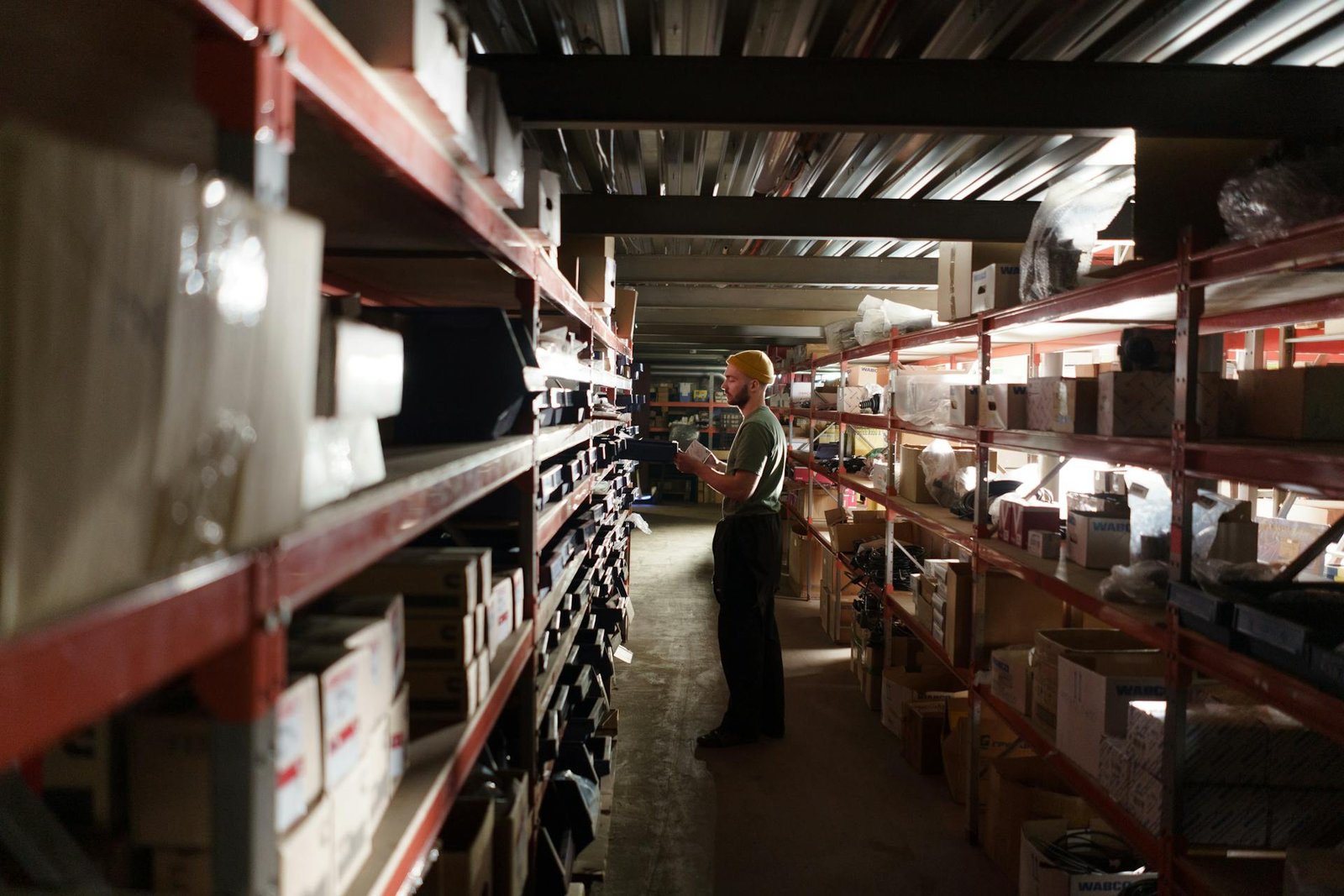
One of the most accessible areas is the care sector. Germany’s aging population has created a massive need for geriatric nurses and care assistants. These positions often offer “on-the-job” language training and visa support because the need is so critical. Similarly, the logistics industry is booming, with companies like DHL and Amazon constantly seeking warehouse staff, forklift operators, and delivery drivers. These jobs provide a steady income and a foothold in the German labor market.
[irp]
Lastly, the hospitality industry offers opportunities for chefs, housekeeping staff, and service personnel, particularly in major cities like Berlin and Munich. While these roles may offer lower initial salaries compared to tech or engineering, they are excellent stepping stones. They allow you to enter the country legally, learn the language, and eventually transition into higher-paying roles or further education.
| Visa Type | Target Audience |
Key Requirement |
Validity |
|---|---|---|---|
| EU Blue Card | Highly skilled professionals with a university degree | • German or recognized foreign university degree.
• Concrete job offer with a minimum gross salary of €45,300 (or €41,041.80 for shortage occupations). • Job must match qualification. |
4 Years (renewable) |
| Skilled Worker Visa | Professionals with vocational training or non-academic degrees. | • Recognized vocational training qualification.
• Concrete job offer. • B1 level German language proficiency (usually required). |
4 Years |
| Opportunity Card (Chancenkarte) | Job seekers without a job offer yet. | • Based on a points system (language, age, experience, connection to Germany).
• Must have sufficient funds (€1,027/month) to support yourself. • Recognized degree or vocational training (2+ years). |
1 Year |
[irp]
Salary Scale for Immigrants
Germany offers competitive salaries, which are often protected by collective bargaining agreements. For immigrants, your earning potential depends heavily on your industry, location, and language skills.
● IT & Software: Junior developers can expect €45,000 – €55,000 annually, while senior engineers can earn upwards of €85,000.
● Engineering: Mechanical and Electrical engineers typically start between €50,000 – €60,000.
● Healthcare: Registered nurses start around €33,000 – €40,000, while doctors can earn €65,000+ starting salary, rising significantly with specialization.
● Skilled Trades: Electricians and welders often earn between €35,000 – €45,000.
● Minimum Wage: As of 2025, the statutory minimum wage is €12.82 per hour, ensuring that even entry-level workers earn a living wage (approx. €2,200 gross per month for full-time work).
Application Requirements and Documents
When applying for a work visa at the German mission in Nigeria, your documentation must be flawless. Incomplete applications are the #1 reason for rejection. You will generally need:
● Valid International Passport: Must have at least two blank pages and be valid for 3 months beyond your intended stay.
● Visa Application Forms: Two fully completed and signed Videx forms.
● Biometric Photos: Two recent passport-sized photos meeting biometric standards (white background).
● Employment Contract: Original and copy, detailing salary, working hours, and job description.
● Declaration of Employment (Erklärung zum Beschäftigungsverhältnis): Filled out by your German employer.
● Professional CV: In German standard format (Europass is recommended).
● Certificates: Original and copies of university degrees, diplomas, and transcripts.
● Recognition of Qualification: Proof that your degree is recognized in Germany (Anabin database printout or ZAB Statement of Comparability).
● Health Insurance: Proof of incoming travel health insurance coverage.
● Visa Fee: Approx. €75 (payable in Naira at the current exchange rate).
[irp]
Meeting the Eligibility Requirements
Meeting the eligibility criteria goes beyond just having the right papers; it is about proving your “intent” and “capability.” The German authorities want to ensure you will not be a burden on the social system.
● Qualification Recognition: Before you apply, check the Anabin database. If your Nigerian university and specific degree are listed as “H+” (recognized), print this out. If not, you must apply to the ZAB (Central Office for Foreign Education) for a Statement of Comparability. This can take months, so start early.
● Language Skills: While some IT jobs function in English, having a B1 or B2 certificate from the Goethe-Institut in Lagos or Abuja significantly boosts your eligibility and is mandatory for most non-IT roles.
● Financial Stability: Even with a job offer, you may be asked to prove you have funds for your initial settlement period.
Employment Agency to Find Opportunities
Using reputable agencies can fast-track your search. Avoid “agents” who ask for money upfront for a visa these are scams. Legitimate headhunters are paid by the employer.
● Make it in Germany: The official government portal with a vetted job exchange.
● StepStone & Indeed Germany: The largest commercial job boards.
● Federal Employment Agency (Bundesagentur für Arbeit): They have a specialized “International Placement Services” (ZAV) department that helps non-EU citizens find work.
● Michael Page & Hays: Excellent for high-level specialized roles in Engineering, IT, and Finance.
● Xing: The German equivalent of LinkedIn. Create a profile here to be visible to German recruiters.
[irp]
Applying at the German Embassy
As of the latest updates leading into 2026, the application process has become more digitized but still requires an in-person interview.
● Online Registration: You must register for an appointment via the German Foreign Office’s online system. Appointments for work visas in Abuja and Lagos can have long wait times (sometimes months).
● Consular Services Portal: For certain categories, you can now upload documents digitally for pre-check before your interview.
● The Interview: On your appointment day, arrive 30 minutes early. You will submit your biometric data (fingerprints) and undergo a short interview. The consular officer will ask about your job, your employer, and your plans. Be honest and concise.
● Processing Time: A standard work visa can take anywhere from 4 to 12 weeks to process. Do not book non-refundable flights until you have your visa.
Mistakes to Avoid During the Process
● Inconsistent Documents: Ensure the salary on your contract matches the salary on your “Declaration of Employment” form exactly.
● Unrecognized Degrees: Applying without checking Anabin or getting ZAB verification is an automatic rejection for degree-based visas.
● Poor Photo Quality: Do not use edited or filtered photos. Use a professional studio that understands visa requirements.
● Fake Documents: The German Embassy has a specialized document verification team. If you submit a fake bank statement or degree, you will be banned from entering the Schengen zone for years.
● Ignoring Regional Jurisdiction: If you live in the north, apply in Abuja. If in the south, apply in Lagos. Applying at the wrong consulate can lead to dismissal.
Arriving in Germany and Residence Permit Conversion
Your visa is usually valid for 3 to 6 months—it is an entry permit, not your final residence permit.
● Anmeldung (Registration): Within 14 days of arriving in Germany, you must register your address at the local citizens’ office (Bürgeramt). You cannot open a bank account without this.
● Health Insurance Activation: Inform your German health insurance provider of your arrival to activate your full coverage.
● Residence Permit (Aufenthaltstitel): Before your entry visa expires, you must book an appointment at the Foreigners’ Authority (Ausländerbehörde) to convert your visa into a long-term residence permit card. Bring your employment contract, proof of address (Anmeldung), and biometric photo.
[irp]
Embassy Contacts and Verification (2026 Update)
For the most current inquiries, always refer to official channels. The German diplomatic mission in Nigeria is split between the Embassy in Abuja and the Consulate General in Lagos.
German Embassy Abuja
● Address: 9 Lake Maracaibo Close, Maitama, Abuja.
● Jurisdiction: Northern Nigeria.
● Email: info@abuja.diplo.de
Consulate General Lagos
● Address: 15 Walter Carrington Crescent, Victoria Island, Lagos.
● Jurisdiction: Southern Nigeria.
● Email: info@lago.diplo.de
Verification Note: For the 2025/2026 cycle, the Embassy has intensified document verification. Expect that your Nigerian university degree and work experience claims may be independently verified with your school and past employers. Ensure your references are aware they may be contacted.
[irp]
Conclusion
The path to working in Germany is rigorous but entirely achievable for prepared Nigerians. By targeting high-demand roles, ensuring your paperwork is “German standard,” and avoiding common pitfalls, you can secure a life-changing opportunity. The German labor market is open your diligence is the key to unlocking it.
FAQs
1. Can I move to Germany without a job offer?
Yes, with the new Opportunity Card (Chancenkarte), you can move to Germany for up to one year to look for work if you meet the points requirement and have sufficient funds.
2. Do I need to speak German?
For IT and some research roles, English is sufficient. For most other jobs, especially in healthcare and trades, B1 or B2 German is mandatory.
3. How much does the visa cost?
The standard fee is €75, payable in Nigerian Naira at the embassy.
4. Can I bring my family?
Yes, if you have a Blue Card or a skilled worker residence permit and sufficient living space/salary, you can apply for family reunification (Familiennachzug) for your spouse and children.
5. Is there an age limit?
There is no strict age limit for work visas, but for the Opportunity Card, being under 35 gives you more points. Older applicants (over 45) must prove a higher minimum salary for pension purposes.


I really need this job to help my family