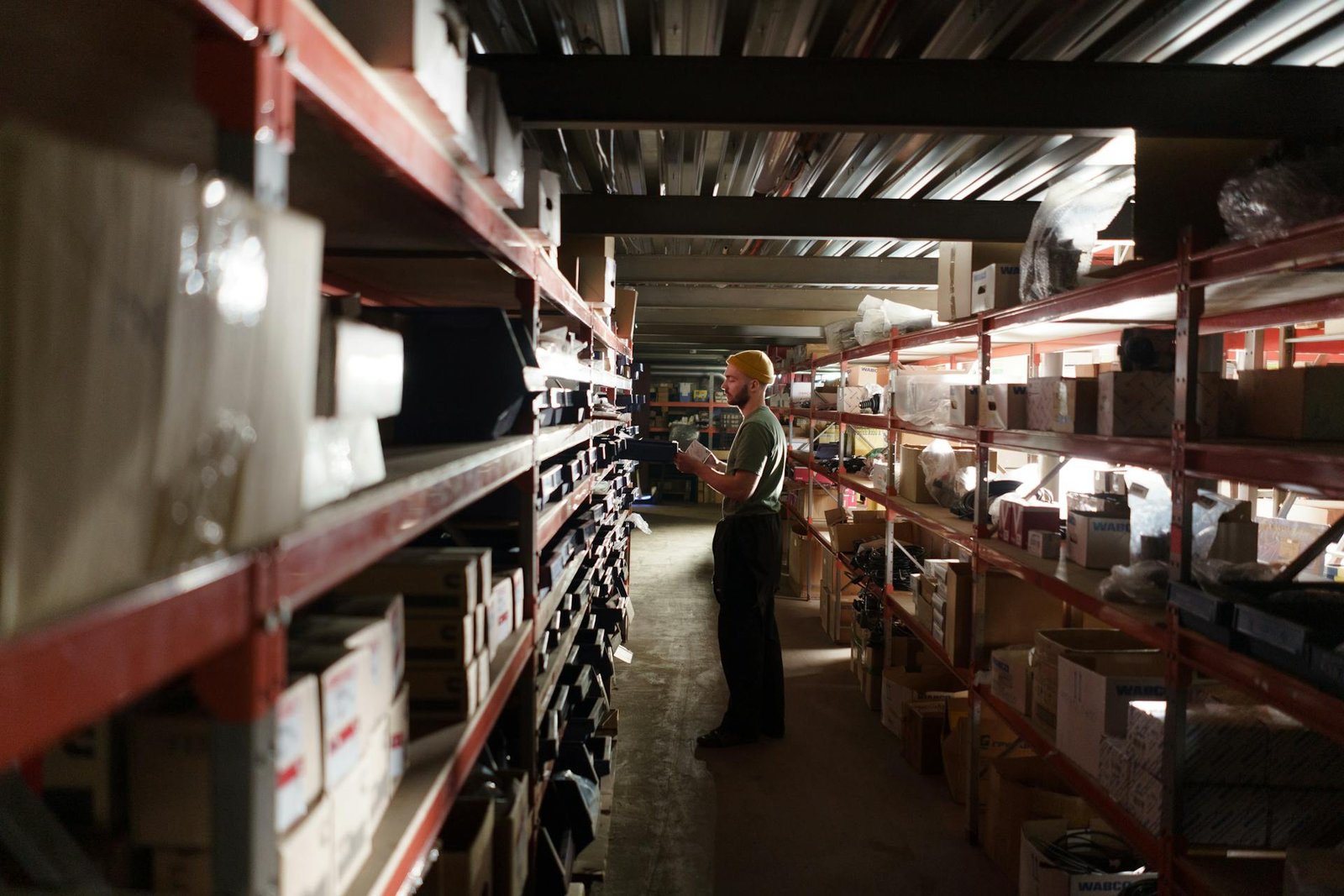
Germany’s economy, powered by innovation and precision, is facing an unprecedented talent crunch in STEM fields science, technology, engineering, and mathematics. With over 1.7 million vacancies reported by the Federal Employment Agency in late 2024, and projections for 2025 showing even steeper shortages, the EU Blue Card has become a golden ticket for non-EU specialists in IT, engineering, and math.
This residence permit isn’t just a visa; it’s a fast-track to high-paying jobs, family reunification, and eventual permanent residency in one of Europe’s most stable job markets.
In 2025, the EU Blue Card program has been fine-tuned to attract exactly the talent Germany needs: skilled professionals who can fill critical roles without bureaucratic hurdles. If you’re an IT developer from India, an engineer from Brazil, or a mathematician from the US, this guide breaks down eligibility, top jobs, salaries, and how to land your dream role all while earning above the Blue Card’s salary thresholds.
[irp]
What Is the EU Blue Card and Why It Matters for STEM Pros
The EU Blue Card is a work and residence permit designed for highly qualified non-EU citizens, allowing you to live and work in Germany for up to four years initially (extendable). It’s named after the “blue card” format but symbolizes Europe’s commitment to global talent mobility. Unlike standard work visas, it offers EU-wide recognition, meaning after 18 months in Germany, you can move to another EU country for work.
For IT, engineering, and math specialists, the Blue Card is particularly advantageous because these fields are classified as “shortage occupations” (Engpassberufe). This status lowers the entry barriers, making it easier to qualify and start contributing to Germany’s €4.5 trillion economy right away. In 2025, with AI, renewable energy, and digital transformation booming, Blue Card holders in STEM are seeing faster promotions and higher retention bonuses than ever.
The program’s 2025 updates, part of the Skilled Immigration Act, include raised salary thresholds to reflect inflation but expanded eligibility for experienced pros without degrees especially in IT. Over 50,000 Blue Cards were issued in 2024, with a 20% uptick expected this year, largely driven by tech and engineering hires.
Eligibility Requirements for the EU Blue Card in 2025
To snag an EU Blue Card, you need:
1. A Concrete Job Offer: A binding employment contract from a German employer for at least six months. The role must match your qualifications and be “highly qualified” (typically requiring a degree or equivalent experience).
[irp]
2. Qualifications: A recognized university degree (bachelor’s or higher) in a relevant field, verified via the Anabin database or a ZAB statement of comparability. For IT specialists without a degree, prove at least three years of relevant experience in the last seven years—perfect for self-taught coders or bootcamp grads.
3. Salary Threshold: This is the big one for 2025:
• General threshold: €48,300 gross annually (about €4,025/month).
• Shortage occupations (IT, engineering, math, natural sciences): Reduced to €43,759.80 gross annually (about €3,647/month).
• Recent graduates (degree within last three years): Also €43,759.80, regardless of field.
These figures are set by the Federal Ministry of the Interior and adjust yearly based on pension contribution ceilings. Math and engineering roles often exceed these easily, while IT gigs in Berlin startups might start right at the lower threshold.
4. Health Insurance and No Criminal Record: Standard proof of coverage (public or private) and a clean background check.
No German language skills are required for the Blue Card itself English suffices in most international teams but B1 German boosts long-term integration. Approval from the Federal Employment Agency (BA) is needed only if your salary dips below the threshold, which is rare in shortage fields.
Why IT, Engineering, and Math? Germany’s Burning Need for Specialists
Germany’s “Fachkräftemangel” (skills shortage) is acute in STEM. The German Research Foundation (DFG) reports a 15% annual rise in STEM vacancies, fueled by Industry 4.0, the €100 billion Digital Strategy 2025, and an aging workforce. IT alone faces a 137,000-job gap, engineering 320,000 by year-end, and math pros are sought for data modeling in finance and R&D.
These fields qualify as shortage occupations under ISCO-08 codes (e.g., Group 21 for science/engineering pros, Group 133 for IT managers), unlocking the lower salary threshold. Employers like Siemens, SAP, BMW, and Bosch actively sponsor Blue Cards, covering relocation and even German courses.
[irp]
Top EU Blue Card-Eligible Jobs in IT for 2025
Germany’s tech scene, valued at €200 billion, is exploding with AI, cybersecurity, and cloud roles. Most are English-speaking, especially in Berlin’s 3,000+ startups.
• Software Developer/Engineer: Build apps for Zalando or Delivery Hero. Average salary: €65,000–€110,000 (entry: €50,000+). Demand: 50,000+ openings.
• Data Scientist/AI Specialist: Analyze big data at Celonis or Merantix. €75,000–€130,000. Hot skills: Python, TensorFlow.
• Cybersecurity Expert: Protect Deutsche Telekom networks. €75,000–€130,000. With 70% of firms hit by breaches in 2024, this is booming.
• DevOps/Cloud Engineer: Manage AWS/Azure for SAP. €70,000–€120,000.
These roles easily hit the €43,759.80 threshold, with seniors topping €150,000 + equity.
Engineering Jobs That Unlock the Blue Card
As the birthplace of the automobile and renewable tech, Germany needs 100,000+ engineers yearly. Automotive (BMW, VW), aerospace (Airbus), and green energy lead.
• Mechanical Engineer: Design for Bosch or Porsche. €55,000–€85,000 (entry: €46,000–€58,000).
• Electrical Engineer: Power Siemens’ grids. €60,000–€90,000.
• Civil/Structural Engineer: Infrastructure at Hochtief. €50,000–€75,000.
• Robotics/Automation Engineer: Industry 4.0 at KUKA. €65,000–€100,000.
Munich and Stuttgart hubs offer the highest pay, often 20% above national averages.
Math Specialists: The Unsung Heroes of Blue Card Opportunities
Mathematicians might not grab headlines, but they’re pivotal in finance (Deutsche Bank), research (Max Planck Institute), and tech (algorithm design at HelloFresh). Roles include:
• Quantitative Analyst (Quant): Model risks in fintech. €70,000–€120,000.
• Actuary/Data Modeler: Insure with Allianz. €65,000–€110,000.
• Research Mathematician: Academia or R&D at Fraunhofer. €60,000–€95,000.
With a degree in math or stats, these jobs qualify under shortage rules, blending theory with high-impact applications.
Best Cities for Blue Card STEM Jobs
• Berlin: Tech mecca (N26, SoundCloud). 70% English roles; rent €1,200–€1,800.
• Munich: Engineering powerhouse (BMW, Siemens). Salaries 15% higher; rent €1,800–€2,500.
• Frankfurt: Fintech/math hub (ECB, Commerzbank). Finance salaries soar.
• Stuttgart: Automotive engineering (Porsche, Daimler).
• Hamburg: Logistics/IT (Airbus, Otto Group).
[irp]
Remote options are growing, with 30% of tech jobs hybrid.
Application Process: From Job Hunt to Blue Card in Hand
1. Secure a Job: Use LinkedIn (filter “EU Blue Card”), StepStone.de, Honeypot.io, or company sites (SAP Careers). Highlight Blue Card eligibility in your CV.
2. Gather Documents: Passport, degree recognition, contract, salary proof, insurance.
3. Apply for Visa: At your German embassy/consulate (D-type visa, €75 fee). Processing: 3–8 weeks.
4. In Germany: Register at local Ausländerbehörde for the Blue Card (valid 1–4 years).
Total timeline: 1–3 months. Employers often assist with paperwork.
[irp]
Benefits Beyond the Job: Family, Mobility, and Path to PR
• Family Reunification: Spouses and kids join immediately; no language test for partners.
• EU Mobility: Work in other EU states after 18 months.
• Permanent Residency: After 33 months (or 21 with B1 German); citizenship after 5–8 years.
• Taxes & Net Pay: €70,000 gross = €3,800–€4,100 net/month. Save big, Berlin COL is 30% below London’s.
Real Success Stories from 2025
• Priya, India (IT): Data scientist at BMW Munich via Blue Card. “Started at €85k; no German needed. Now permanent after 2 years.”
• Carlos, Brazil (Engineering): Mechanical engineer at Siemens. “€72k entry; family moved seamlessly.”
• Elena, Ukraine (Math): Quant at Deutsche Bank Frankfurt. “€95k + relocation; math degree opened doors fast.”
Read more on: The Rise of Solo Travel: Why More People Are Choosing to Explore the World Alone in 2025
Tips to Land Your Blue Card Job
• Tailor your Europass CV (1–2 pages, photo optional).
• Network on Xing/LinkedIn; attend virtual fairs like Bits & Pretzels.
• Get ZAB recognition early (€200 fee).
• Prep for tech interviews (LeetCode for IT, CAD simulations for engineering).
• Consider agencies like Randstad or Hays for sponsored roles.
[irp]
In 2025, Germany’s EU Blue Card is more accessible than ever for IT, engineering, and math wizards. With salaries starting at €50k+ and a clear path to settlement, it’s not just a job, it’s a launchpad for a thriving European career. If your skills align, apply now; the demand won’t wait.