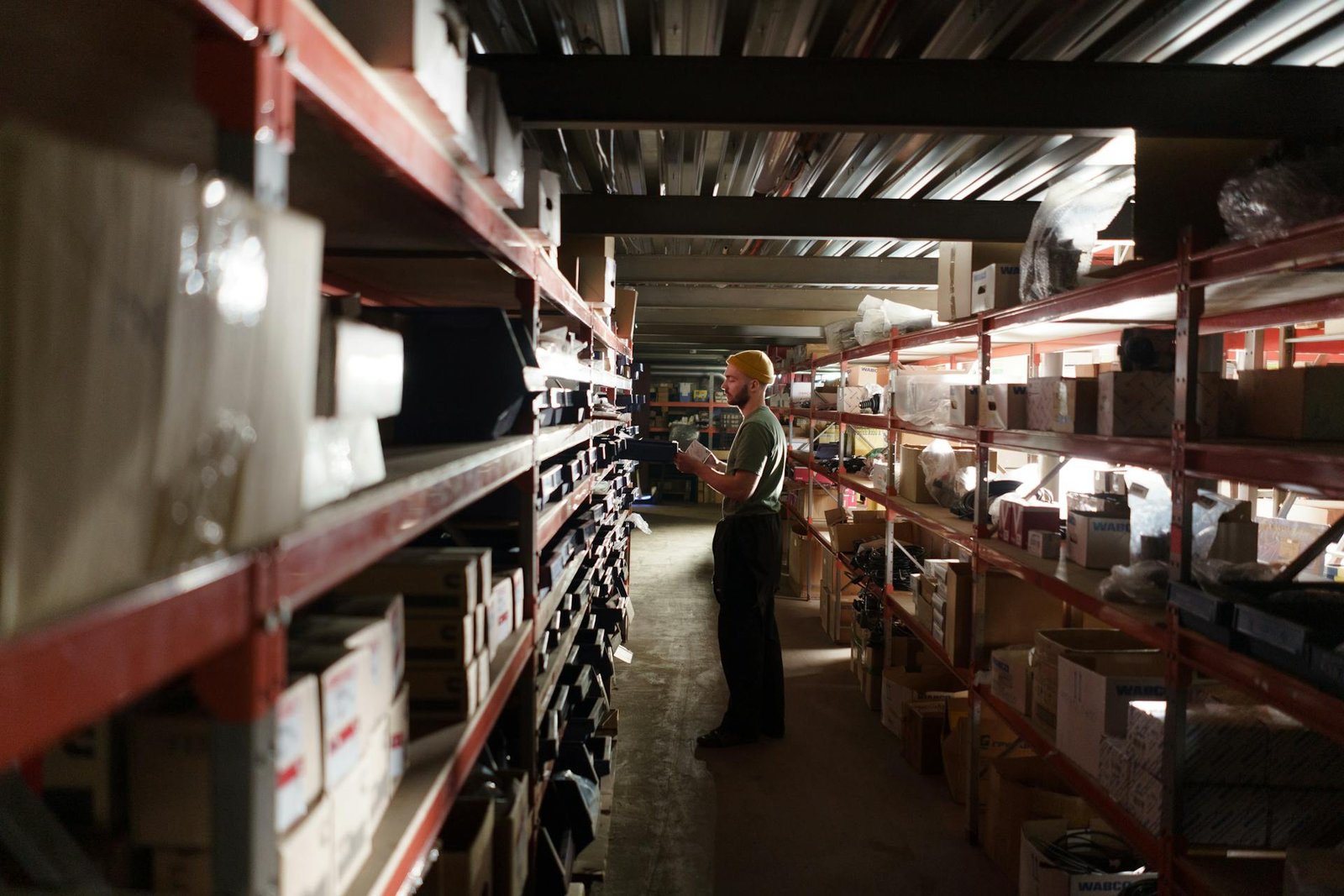
Germany stands as the economic powerhouse of Europe, consistently ranked as one of the most attractive destinations for expatriates seeking career advancement and a high quality of life. With a rapidly aging population and a robust industrial sector, the German government has actively reformed its immigration policies to attract foreign talent. For 2025, the demand for skilled workers has reached unprecedented levels, creating a fertile landscape for foreigners to secure jobs with visa sponsorship. This sponsorship acts as a gateway, allowing non-EU citizens to bypass complex bureaucratic hurdles and legally enter the German labor market.
The concept of “visa sponsorship” in Germany differs slightly from other nations. Instead of the employer solely bearing the legal burden, the process is a partnership where the employer issues a valid contract, and the German government grants the residence title based on that contract. This synergy is pivotal for the “Fachkräfteeinwanderungsgesetz” (Skilled Immigration Act), which has been liberalized to include not just university graduates but also those with vocational training and practical experience. Securing a sponsored position means you have a dedicated partner in your relocation journey, often including support with relocation costs, language training, and bureaucratic integration.
[irp]
Navigating this landscape requires a strategic approach. It is not merely about applying for vacancies; it is about targeting sectors with critical shortages known as Mangelberufe where the barrier to entry is lower and the probability of visa approval is significantly higher. From engineering to healthcare, and increasingly in the trades sector, opportunities are vast. This guide serves as your comprehensive consular-level resource to understanding the specific pathways, requirements, and strategies to successfully land a job with visa sponsorship in Germany for the 2026 intake.
Entry Level Jobs for Immigrants
For many immigrants, the term “entry-level” often implies unskilled labor, but in the context of German visa sponsorship, it most frequently refers to Vocational Training (Ausbildung). This is the “hidden gem” of the German immigration system. An Ausbildung is a dual-study apprenticeship where you work for a company for 3-4 days a week and attend school for 1-2 days. Crucially, this comes with a dedicated visa and a monthly salary (stipend). It is the most viable “entry-level” route because German companies are desperate for apprentices in trades like nursing, mechatronics, and IT. Unlike direct unskilled labor (like cleaning or warehouse work), which rarely qualifies for a work visa from outside the EU, an apprenticeship offers a direct, sponsored pathway for those with just a high school diploma and B1 German skills.
Another sector offering entry-level opportunities with sponsorship potential is the Care and Hospitality Industry. Germany faces a chronic shortage of nursing assistants and geriatric care aides. While becoming a registered nurse requires recognition of foreign degrees, many hospitals offer entry-level “nursing assistant” roles combined with a recognition partnership. This allows you to work at a lower level while they sponsor your visa and training to reach full qualification. Similarly, large hotel chains in major cities like Berlin and Munich occasionally sponsor junior hospitality staff, provided they demonstrate specific language skills or prior experience that cannot be readily found in the local EU workforce.
[irp]
The Tech and Startup Ecosystem in cities like Berlin offers a different kind of entry-level role. Junior developers, customer success agents, and data entry specialists with language skills (e.g., native English, Arabic, or Mandarin speakers) are in high demand. Startups are often more willing to sponsor visas for junior talent than traditional corporate giants because they need agility and specific language coverage. These roles often require no German language skills initially, making them highly accessible. However, the competition is fierce, and your CV must be impeccable to justify the sponsorship effort to the authorities.
Finally, for those who do not yet meet the strict criteria for a full work visa, the Opportunity Card (Chancenkarte) acts as a bridge to entry-level employment. While not a “sponsored job” in the traditional sense, this visa allows you to enter Germany to search for work and permits you to work part-time (up to 20 hours/week) in any entry-level unskilled job (like retail or logistics) to support yourself. This allows you to gain a foothold in the country, learn the culture, and network your way into a full-time, sponsored position. It effectively turns “unskilled” entry-level jobs into a survival mechanism while you hunt for a career-defining role.
Visa Requirements for Employment
To successfully obtain a work visa, you must navigate a specific set of consular requirements. The German diplomatic missions strictly adhere to the Residence Act (AufenthG).
● Recognized Qualification: You must possess a university degree or a vocational qualification that is recognized in Germany. For university degrees, this is verified via the ANABIN database. If your degree is rated “H+”, it is generally recognized.
● Concrete Job Offer: You must have a binding job offer or contract from a German employer. The contract must detail the salary, working hours, and job description.
Salary Thresholds (2025 Update):
● EU Blue Card (General): A gross annual salary of at least €48,300.
● EU Blue Card (Shortage Occupations/New Entrants): A reduced threshold of €43,759.80 applies to jobs in mathematics, IT, natural sciences, engineering, and human medicine.
● Federal Employment Agency Approval: In most cases (except for high-salary Blue Card holders), the German Federal Employment Agency (Bundesagentur für Arbeit) must approve your employment, verifying that the conditions are comparable to domestic employees.
● Language Proficiency: While IT specialists may get by with English, most other visas require proof of German proficiency (typically B1/B2 level), or English proficiency if the company operates in English.
Salary Scale for Immigrants
Salaries in Germany are strictly regulated and generally collective bargaining agreements apply, ensuring immigrants are paid fairly.
● IT & Engineering: Junior roles often start between €45,000 and €55,000 annually. Senior roles can easily exceed €80,000.
● Healthcare: Assistant nurses may start around €30,000 – €36,000, while recognized registered nurses earn between €38,000 and €50,000. Doctors earn significantly more, often starting above €65,000.
● Skilled Trades (Handwerk): Electricians, plumbers, and welders are highly paid, with starting salaries often ranging from €35,000 to €45,000.
● Apprentices (Ausbildung): You earn a training allowance, not a full salary. This ranges from €850 to €1,300 per month, increasing with each year of training.
Application Requirements and Documents
When preparing your dossier for the embassy, precision is key. Missing a single document can result in a rejection (Remonstration).
● Valid Passport: Must have at least two blank pages and be valid for 3 months beyond the intended stay.
● Application Form: Two completed and signed VIDEX application forms.
● Biometric Photos: Two recent photos meeting ICAO standards.
● Employment Contract: Original and copies, signed by both parties.
● Declaration of Employment (Erklärung zum Beschäftigungsverhältnis): A specific form filled out by your employer.
● Proof of Qualification: Original diplomas, transcripts, and their official German translations.
● Professional License (Berufsausübungserlaubnis): Mandatory for regulated professions like medicine or engineering.
● Health Insurance: Proof of incoming health insurance coverage (Reise-Krankenversicherung) valid until the employment begins.
● Curriculum Vitae (CV): In tabular format, preferably in German (Europass format is standard).
Meeting the Eligibility Requirements
Eligibility is not just about having a degree; it is about comparability. The central pillar of German work migration is the Statement of Comparability from the Central Office for Foreign Education (ZAB). If your foreign degree is not automatically listed as equivalent in ANABIN, you must apply to ZAB for an individual assessment. This costs approximately €200 and can take several months.
Furthermore, for the Opportunity Card, eligibility is points-based. You need 6 points to qualify. Points are awarded for:
● Recognition of qualifications (4 points)
● Language skills (German A2=1 point, B1=2 points, B2=3 points; English C1=1 point)
● Professional experience (2-3 points)
● Age (under 35 = 2 points, 35-40 = 1 point)
● Connection to Germany (previous legal stay of 6 months = 1 point).
Employment Agency to Find Opportunities
Using a reputable agency can fast-track your search, as they often hold exclusive contracts with employers willing to sponsor.
● Make it in Germany: The official government portal with a vetted job exchange.
● StepStone & Xing: The leading German job boards.
● Federal Employment Agency (BA): They have a specific International Placement Services (ZAV) department.
Specialized Agencies:
● Michael Page / Hays: Excellent for Engineering and IT.
● Medwing: Specialized in Healthcare and Nursing.
● Avomind: Focuses on high-growth startups and international talent.
Applying at the German Embassy
The application process is decentralized. You must apply at the German mission (Embassy or Consulate General) in your country of residence.
● Book an Appointment: Use the online booking system of the respective embassy. Categories for “National Visa (D-Visa) – Employment” often have wait times.
● Submit in Person: You must appear in person to submit documents and provide biometric data (fingerprints).
● Interview: You may be asked about your future employer, your intent to return (less critical for work visas), and your qualifications.
● Processing Time: Standard work visas take 1–3 months. EU Blue Cards are often prioritized and processed faster (approx. 2 weeks to 1 month).
[irp]
Mistakes to Avoid During the Process
● Wrong Visa Category: Do not apply for a “Schengen Visa” (Type C) if you intend to work. You strictly need a “National Visa” (Type D).
● Unrecognized Documents: Submitting diplomas without the ZAB Statement of Comparability or ANABIN printout is an automatic rejection.
● Insufficient Health Insurance: Standard travel insurance is often rejected if the coverage amount is too low (must be €30,000 minimum) or if it doesn’t cover the entire transition period before your German statutory insurance kicks in.
● “Auxiliary” Job Descriptions: Ensure your employer describes the role as “skilled.” If the job description sounds like unskilled labor, the Federal Employment Agency will reject it.
Arriving in Germany and Residence Permit Conversion
The visa in your passport is usually valid for only 3 to 6 months. It is an entry visa. Once you arrive in Germany:
● Anmeldung (Registration): You must register your address at the local Citizens’ Office (Bürgeramt) within 14 days of moving in. You will receive a registration certificate (Meldebescheinigung).
● Bank Account: Open a German bank account using your registration certificate.
● Residence Permit Application: Book an appointment at the local Foreigners’ Authority (Ausländerbehörde) before your entry visa expires. You will submit your employment documents again to convert your entry visa into a long-term Residence Permit (Aufenthaltstitel) card.
Embassy Contacts and Verification (2025 Update)
For all visa inquiries, the primary point of authority is the German mission in your home country.
● General Visa Hotline (Federal Foreign Office – Berlin): +49 30 5000 2000 (Available Mon-Fri, 09:00 – 15:00 CET).
● Website: auswaertiges-amt.de (Navigate to “Visa and Service”).
● Verification: Never pay for a job offer. Official embassy appointments are either free or require a small booking fee, but the visa fee (approx. €75) is paid at the embassy. If an agency asks for money to “guarantee” a visa, it is a scam.
Conclusion
Securing a job with visa sponsorship in Germany in 2025 is a structured, achievable goal for skilled professionals. The introduction of the Opportunity Card and the lowering of Blue Card salary thresholds demonstrate Germany’s serious commitment to welcoming foreign talent. By focusing on high-demand sectors, verifying your qualifications early, and meticulously preparing your embassy application, you can successfully navigate this process. The German labor market is waiting for you—ensure your paperwork is as professional as your skills.
[irp]
Additional Basic things to know
Q: Can I move to Germany without a job offer?
A: Yes, via the “Opportunity Card” (Chancenkarte), provided you meet the points requirements or have a fully recognized qualification.
Q: Is there an age limit for work visas?
A: There is no strict age limit for general work visas. However, for the Ausbildung visa, applicants aged 18-30 are preferred. For applicants over 45, you must prove a minimum salary of €53,130 (2025) or adequate pension provisions.
Q: How long does the visa sponsorship process take?
A: From job offer to arrival, the process typically takes 3 to 6 months, depending on appointment availability at your local embassy.
Q: Can I bring my family?
A: Yes, holders of the EU Blue Card and Skilled Worker Visas can generally bring their spouse and minor children (Family Reunion Visa), provided they have sufficient housing and financial means.