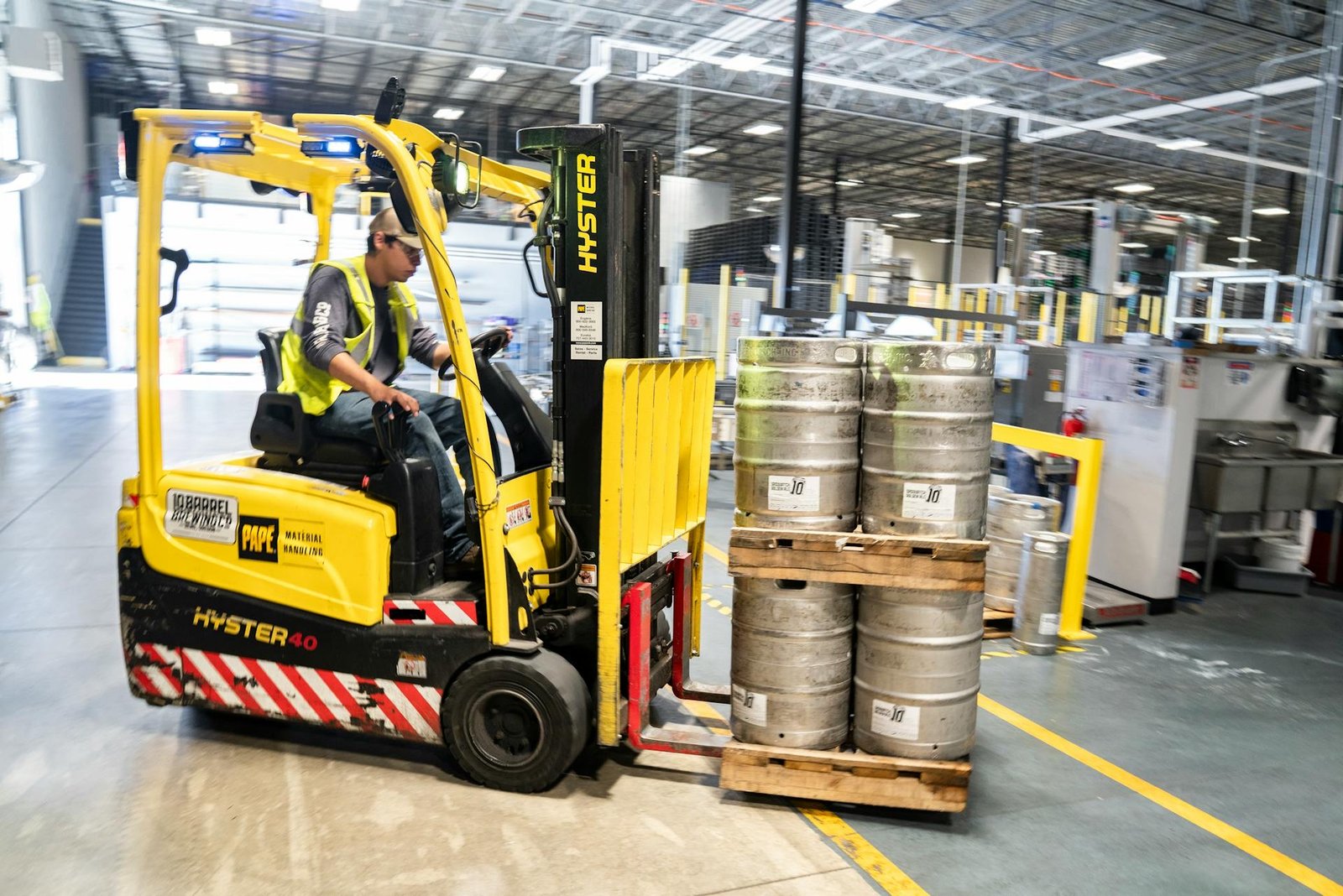
As the UK agricultural sector gears up for another year of harvest challenges and growth, the Seasonal Agricultural Workers Scheme (SAWS) now operating under the broader Seasonal Worker visa route remains a lifeline for both farmers and international job seekers. In 2025, with a confirmed allocation of 45,000 visas, this program is more crucial than ever.
Originally launched in 1945 as a post-war initiative to bolster food production, SAWS evolved into a structured visa pathway post-Brexit, addressing chronic labor shortages in horticulture and poultry. This year, the scheme has been extended for five years until 2029, providing much-needed stability amid economic pressures and climate uncertainties. For aspiring workers from around the globe, 2025 offers a gateway to hands-on farm jobs, cultural immersion, and competitive earnings. In this comprehensive guide, we’ll explore the scheme’s evolution, eligibility, application process, available roles, and the real-world benefits and hurdles of joining the UK’s vibrant farming workforce.
[irp]
The Evolution of SAWS: From Post-War Necessity to Modern Visa Lifeline
The roots of SAWS trace back to 1945, when Britain faced acute labor shortages after World War II. The scheme initially recruited workers from Europe for short-term stints in fruit and vegetable picking, evolving into a cultural exchange program by the 1990s that targeted young students from agricultural colleges. By 2014, it was phased out in anticipation of expanded EU free movement, but Brexit upended those plans. EU nationals, once the backbone of seasonal labor, dwindled, leading to £60 million in crop losses in 2022 alone due to unfilled roles.
In response, the government piloted a replacement in 2019, transitioning to the Seasonal Worker visa under the Temporary Work category. For 2025, the quota stands at 43,000 visas for horticulture covering everything from soft fruit harvesting to ornamental crop packing and 2,000 for poultry production. This extension, announced in late 2024, reflects lobbying from bodies like the National Farmers’ Union (NFU), which hailed it as a “huge relief” for growers facing automation pushes and domestic recruitment shortfalls. Today, SAWS isn’t just about filling gaps; it’s a bridge for global talent, sourcing workers from countries like Ukraine, Kazakhstan, Kenya, and Uzbekistan through licensed operators.
The scheme’s global reach has diversified the workforce, with surveys showing high satisfaction rates over 90% of participants in 2024 reported positive experiences. Yet, as the UK aims for food security amid net-zero goals, SAWS underscores the tension between reliance on migrant labor and calls for tech-driven efficiency.
Eligibility and Requirements for SAWS in 2025
Securing a spot under SAWS is straightforward but competitive, designed for those eager for temporary, hands-on agricultural work. At its core, the scheme targets non-UK residents aged 18 and over, with no upper age limit, though most participants fall between 18 and 35 due to the physical demands. No prior experience is required training is provided on-site but a willingness to engage in manual labor is essential.
Key eligibility criteria include:
• Job Offer via Licensed Operator: You must apply through one of the seven Home Office-approved scheme operators, such as HOPS Labour Solutions or Pro-Force, who handle recruitment and sponsorship. These operators connect workers to UK farms and ensure compliance.
• Visa-Specific Rules: The Seasonal Worker visa allows stays of up to six months in any 12-month period, extendable to nine months for horticulture from November 2025 under new flexibility rules. No family accompaniment is permitted, and workers are tied to one employer to prevent exploitation, though transfers are possible via the Gateway system.
• Financial and Health Checks: Applicants need £1,270 in savings (unless the operator covers initial maintenance) and must pass a tuberculosis test if from a high-risk country. A clean criminal record is mandatory.
• English Proficiency: Basic communication skills are expected, though not formally tested, as farms provide induction training.
Source countries for 2025 include Ukraine (a major contributor despite geopolitical tensions), Central Asian nations like Kyrgyzstan and Uzbekistan, and emerging partners like Kenya. Returnees those who’ve worked before get priority invitations, fostering loyalty and efficiency.
Navigating the Application Process: Step-by-Step for 2025
Applying for SAWS in 2025 is digital-first, with applications opening year-round for horticulture (poultry closes November 15). Expect processing times of 3-8 weeks, so start early peak recruitment ramps up in January for spring planting.
[irp]
Here’s the streamlined process:
1. Research and Register: Visit gov.uk/seasonal-worker-visa or operator sites like hopslaboursolutions.com. Select your country and register for updates. Tailor your CV to highlight any manual labor or outdoor experience.
2. Secure a Job Offer: Operators match you to farms based on needs. Interviews (often virtual) assess fitness and motivation. Once selected, receive a Certificate of Sponsorship (CoS)—your golden ticket.
3. Submit Visa Application: Online via gov.uk, upload passport, CoS, proof of funds, and TB test results. Pay the £319 fee (non-refundable). Biometrics follow at a Visa Application Centre.
4. Travel and Arrival: Book flights (operators may reimburse). Upon landing, report to your farm for induction, National Insurance number application, and accommodation setup.
Pro tip: Use resources like the NFU’s grower toolkit or apps like Just Good Work for rights info in multiple languages. With 45,000 slots, competition is fierce apply to multiple operators for better odds.
Inside UK Farm Jobs: What to Expect in 2025
SAWS jobs pulse with the seasons, from March’s planting frenzy to October’s harvest rush. Horticulture dominates, with 55% of roles in fruit (strawberries, apples, berries) and 25% in vegetables/salads. Poultry gigs focus on catching, packing, and processing.
Typical roles include:
• Harvesting and Picking: Manual collection of crops, often piece-rate paid—top pickers earn £700+ weekly. Expect 6-10 hour days, weather-dependent.
• Planting and Weeding: Soil prep, seeding, and pest control using tools or machinery (forklift licenses boost pay).
• Packing and Maintenance: Sorting produce, cleaning equipment, and basic farm upkeep.
Locations cluster in fertile hotspots: Kent’s “Garden of England” for top fruits, Scotland’s Fife for soft fruits (£145 million annual value), and Lincolnshire’s vegetable fields. Shifts run 6 days/week, with overtime premiums during peaks.
[irp]
Wages align with the Agricultural Minimum: £12.21/hour from April 2025, exceeding the National Living Wage. Piece rates reward speed, netting £300-£500/week for starters, up to £1,000 for pros. Deductions for accommodation (capped at £10.66/day for caravans) keep take-home pay solid.
The Rewards: Why SAWS is a Game-Changer for Workers
Beyond pay, SAWS delivers tangible perks. Workers enjoy paid holidays, sick leave, and employer-provided lodging often on-site caravans or dorms with kitchens. Transport to fields is standard, minimizing commute hassles.
Culturally, it’s immersive: Explore the UK on days off, from London’s buzz to the Lake District’s serenity. Skill-building is huge, no experience needed, but many leave with tractor operation or crop management know-how, boosting home-country prospects. Financially, earnings dwarf home wages; a Romanian worker might triple their salary in six months.
Environmentally conscious farms emphasize sustainability, aligning with the UK’s net-zero push. Plus, high satisfaction, 89% of 2024 participants would return stems from team camaraderie and fresh-air vibes. For many, it’s a launchpad to further UK opportunities or global ag careers.
Facing the Hurdles: Challenges and How to Overcome Them
No scheme is flawless. Physical tolls bending, lifting, and weather exposure demand fitness; back strains are common, so warm-ups and ergonomics matter. Long hours (up to 60/week) can exhaust, especially for newcomers.
Tied to one employer, workers risk exploitation if farms underperform unrealistic quotas or subpar housing have surfaced in reports. Debt from upfront costs (visas, flights: £1,000-£1,500) burdens some, though the “Employer Pays Principle” is under review for 2025 implementation.
[irp]
Language barriers hinder rights awareness, but multilingual guides (Bulgarian, Ukrainian, etc.) from the Scottish Agricultural Wages Board help. Geopolitical shifts limit Ukrainian/Russian sourcing, pushing diversification.
Mitigate by choosing reputable operators, documenting issues via the Worker Support Centre, and budgeting wisely. The NFU’s taskforce advocates for safeguards, ensuring fair play.
Read more on: How Solo Travel Changed My Life (and How It Can Change Yours)
Wrapping Up: Seize Your 2025 Farm Adventure
In 2025, SAWS isn’t just jobs it’s a fusion of economic necessity, cultural exchange, and personal growth. With 45,000 visas fueling UK farms’ £145 million soft fruit sector and beyond, opportunities abound for motivated workers. Whether you’re drawn by earnings, skills, or the thrill of harvest sunrises, this scheme empowers global contributions to Britain’s table.
[irp]
Ready to pick your path? Head to gov.uk or operator sites today. As Food Security Minister Daniel Zeichner notes, this allocation lets “growers plan ahead and secure the labour they need to grow and thrive.” Your UK farm journey awaits make 2025 the year you sow seeds of opportunity.