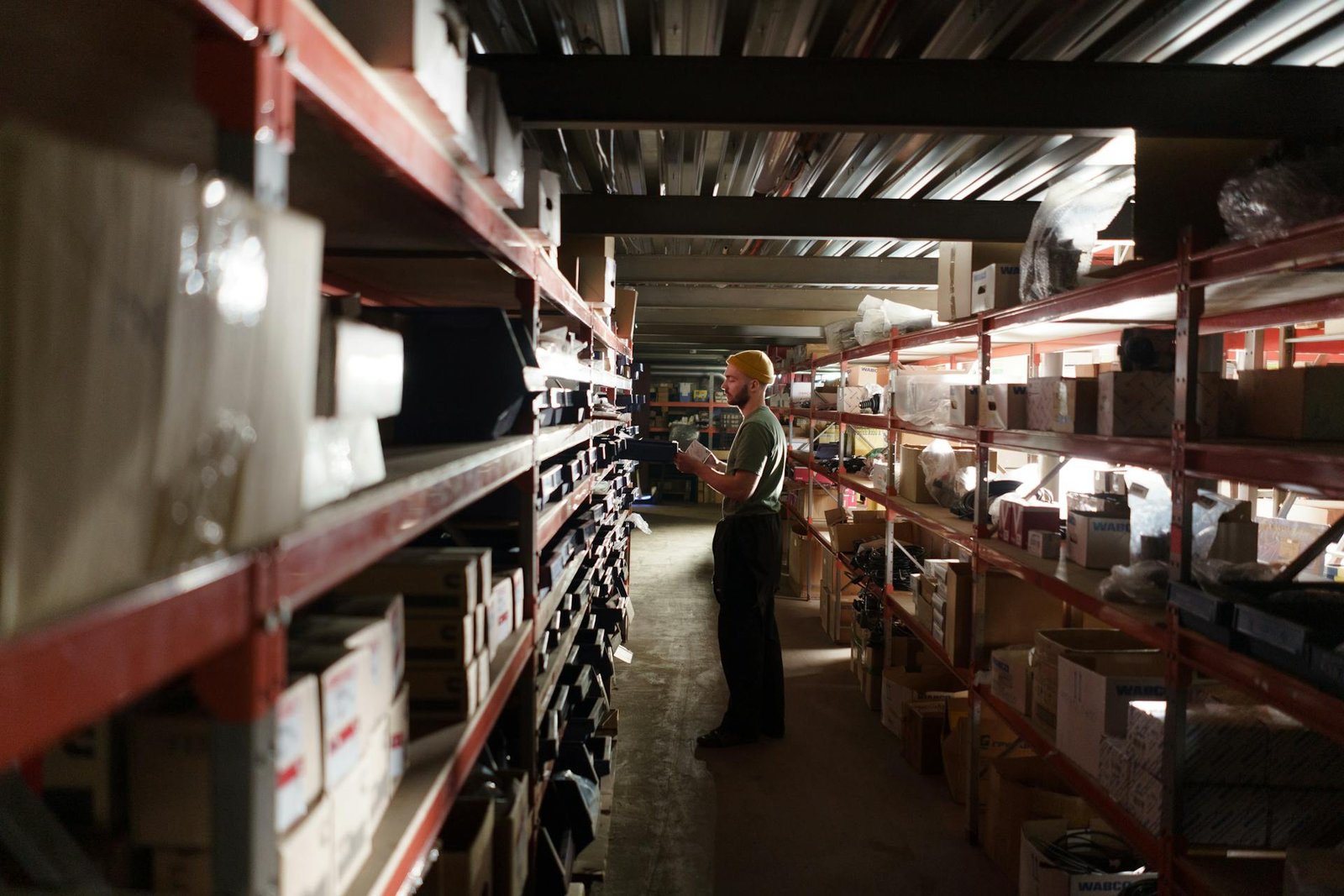
Germany is currently experiencing one of the biggest labor shortages in its modern history. As of December 2025, the Federal Employment Agency lists more than 1.7 million vacant positions across the country, and over 250,000 of them are in warehouses, distribution centers, and factories.
For international workers from India, the Philippines, Pakistan, Nigeria, Kenya, Brazil, Turkey, and many other nations, these jobs represent the fastest, most realistic route to live and work legally in Europe, often with full visa sponsorship, free or subsidized housing, and salaries that are 5–10 times higher than similar roles back home.
The best part? You usually don’t need a university degree, years of experience, or fluent German. Physical fitness, reliability, and a willingness to work shifts are often enough to get hired.
Why Germany Is Hiring Foreigners Like Never Before
Germany’s population is aging rapidly. By 2035, one in three citizens will be over 65, and there simply aren’t enough young Germans to fill manual and semi-skilled roles. At the same time, online shopping has exploded. Amazon alone opened six new mega-warehouses in 2024–2025, while Zalando, Otto, and hundreds of smaller retailers are racing to keep up with demand.
Manufacturing never slowed down either. Automotive giants (BMW, Mercedes, Volkswagen), electronics leaders (Bosch, Siemens), and food-processing companies run three-shift systems year-round. All of them are desperately short of pickers, packers, forklift drivers, machine operators, and production helpers.
The government’s response has been decisive: warehouse and factory jobs are now officially classified as shortage occupations. This triggers simplified visa rules, faster processing, and the ability for companies to recruit directly from abroad without lengthy labor-market tests.
The Most Common Jobs and What They Actually Pay in 2025
Warehouse Worker. (Picker/Packer/Order Processor)
Gross monthly: €2,400 – €3,100
Take-home after taxes & social contributions: €1,800 – €2,300
Overtime and night/weekend bonuses are extremely common and can add €500–€1,000 extra per month.
Forklift Driver
Gross monthly: €2,800 – €3,600
Take-home: €2,100 – €2,700
Many companies pay for the forklift license if you don’t have one yet.
Production/Assembly Line Worker
Gross monthly: €2,600 – €3,400
Take-home: €1,950 – €2,500
Food factories, car plants, and electronics assembly lines hire the largest numbers.
[irp]
CNC, bottling lines, packaging machines (Machine Operator.)
Gross monthly: €3,000 – €4,000
Take-home: €2,200 – €2,900
A short technical course (often paid by the employer) can push you into this bracket quickly.
Quality Control / Inventory Checker
Gross monthly: €2,700 – €3,300
Take-home: €2,000 – €2,450
Slightly less physical, more sitting/standing at a station.
These figures are higher in southern states (Bavaria, Baden-Württemberg) and big logistics hubs like Leipzig, Dortmund, and Hamburg. Amazon, DHL, Lidl, Aldi, and BMW regularly pay at the upper end or above.
Visa Options That Actually Work in 2025
1. Direct Work Visa with Employer Sponsorship (the most common route)
The company sends you a contract, handles most of the paperwork, and you apply at the German embassy in your home country. Processing time: 4–12 weeks. No degree required for most roles.
2. Opportunity Card (Chancenkarte)
If you have at least two years of vocational training or relevant experience, you can enter Germany for one year to look for work without a prior job offer. Warehouse and logistics roles give you bonus points.
3. Agency Placement Programs
Large recruiters (Randstad, Manpower, Adecco, TimePartner) and specialized agencies bring in hundreds of workers every month from Asia, Africa, and Latin America. They arrange interviews, flights, accommodation, and visa support.
Language Requirements: Lower Than You Think
Most international warehouses (Amazon, DHL, Zalando) operate in English or have multilingual team leaders. Many factory floors use simple German or pictograms. A1 or A2 German is helpful but rarely a deal-breaker at the beginning. Companies often pay for language courses once you arrive.
Living Costs and Real Take-Home Money
Average monthly expenses for a single person living frugally (shared flat or company dormitory):
• Rent + utilities: €350–€600
• Food: €250–€350
• Transport (Deutschlandticket): €49
• Health insurance (mandatory): €110–€180
Total: €800–€1,200
That means most workers send home €1,000–€2,000 every month while still enjoying a comfortable European lifestyle.
How to Get Hired from Abroad – Step by Step
1. Update your CV in simple English (Europass format works well).
2. Create profiles on Indeed.de, StepStone.de, Jooble.org, and the official EURES portal.
3. Apply directly on company career pages: amazon.jobs, dhl.de/karriere, lidl.de/jobs, aldi-nord.de/karriere, bmwgroup.jobs
4. Join Facebook groups: “Jobs in Germany for Foreigners,” “Indians in Germany Jobs,” “Filipinos in Germany,” “Africans in Germany Jobs” – real offers are posted daily.
5. Contact agencies that specialize in your nationality (many have WhatsApp hotlines).
6. Prepare for a short video or phone interview (usually 10–15 minutes).
7. Once you receive the contract, open a blocked account (€11,208 for the visa) or let the employer provide proof of salary instead (common in 2025).
8. Book your embassy appointment and fly.
Success Stories from 2025
• Rajesh, 28, from Kerala, India – started as a picker at Amazon Leipzig in March 2025 on €2,600 gross. Six months later he became a forklift driver and now earns €3,400. His wife joined him in October.
• Mercy, 31, nurse aide from Nigeria – took a production job in a medical supplies factory near Stuttgart. After one year of night shifts she saved enough to bring her two children and switch to healthcare training.
• João, 25, from Brazil – arrived via Opportunity Card, worked part-time at Lidl while learning German, and landed a permanent contract at BMW Munich within five months.
Read more on: How to Avoid Foreign Transaction Fees: The Best Debit & Credit Cards for International Travel
The Bottom Line
Warehouse and factory jobs are the golden ticket for thousands of international workers who want to build a future in Europe without spending years on degrees or language exams. The pay is good, the path is clear, and Germany genuinely needs you right now.
If you are physically fit, ready to work hard, and dream of a European passport one day, start applying today. The factory floor or warehouse aisle you walk into next year could be the first step toward a completely new life.
Will 2026 be the year you make the move?